
Fraud is evolving fast. From deepfake videos, face swaps, voice cloning, AI-generated content, and synthetic media to recorded audio and fabricated identities, fraudsters are deploying increasingly sophisticated techniques to bypass traditional identity authentication - putting organisations’ revenue, reputation and customer trust at risk.
FARx delivers advanced, AI-powered fraud detection that fights back in real time. By fusing voice and facial biometrics into a single continuous verification layer, FARx confirms that the person behind the screen is a genuine human presence — not an impersonator, a bot, or a synthetic identity. Liveness detection verifies whether a face or voice is coming from a living person rather than a digital fabrication. As a deepfake detector, it uses AI tools to analyze videos, images, an audio clip, and other media files for authenticity during online verification workflows.
Unlike point-in-time authentication, FARx monitors identity throughout every interaction, allowing the software to scan continuously, identify suspicious patterns, flag manipulation, and assess behavioural anomalies in real time. Suspicious behaviour is caught and acted on the moment it occurs, without adding friction for legitimate users. Its analysis reviews visual, audio, and metadata signals, including temporal consistency, pixel-level artefacts, biometric spatial and file-level irregularities, and modification history to detect deepfakes. It can also identify cues such as blinking, skin texture, facial expressions, eye movement, facial shadows, lip movements, and lip-sync mismatches linked to voice cloning. These capabilities help protect companies, private enterprises, media organisations, and investigations, including court evidence review, cybersecurity checks, and internal security decisions where executives may be impersonated. Teams can integrate these tools into existing systems and platforms to create verification workflows while maintaining control and support for each user. This also matters on social platforms and YouTube, where fake profiles, scams, and deepfake scams can fuel identity fraud and speed the spread of fabricated content. With 8 million deepfakes projected to be shared in 2025, organisations need to stay ahead. The process typically follows four stages - ingestion, preprocessing, inference, and scoring. The system then returns a trust score or suspicion rating. Other detection models rely on large, balanced datasets of real and fake media, and some models use Convolutional Neural Networks in forensic analysis. Multiple methods improve consistent results and help reduce false positives, but human review is still needed because no tool is fully accurate. In practice, advanced deepfake detection tools may reach about 90% accuracy, some report up to 98%, and Meta’s DFDC benchmark established an 82% standard. Provenance standards such as C2PA, along with audit trails, tracking, and history for analysed files, also support authenticity records, with records able to be deleted when required.
Mission, Fight fraud in real time - confirming genuine human presence throughout every session, not just at the point of login.
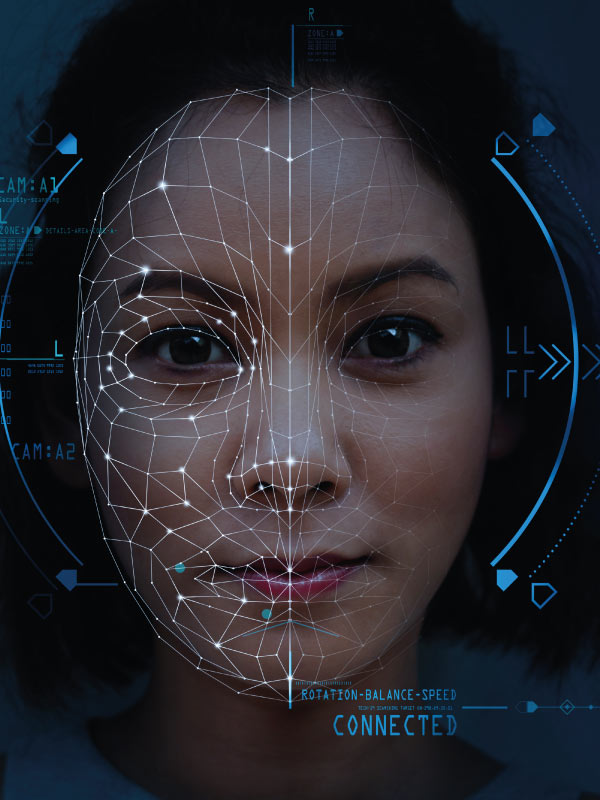
Deepfake Video & Audio, AI-generated video and audio are used to impersonate real individuals during live sessions. FARx’s continuous biometric verification and liveness detection identify synthetic media in real time, stopping deepfake attacks before they succeed.
Synthetic Identity Fraud, Fabricated or composite identities - built from real and invented personal data - are used to open accounts, make claims, or access services. FARx detects the biometric inconsistencies that synthetic identities cannot conceal.
Recorded Audio & Video Replay, Fraudsters replay captured recordings of a legitimate user’s voice or face to spoof authentication checks. FARx’s anti-spoofing and liveness detection mechanisms distinguish live biometric signals from pre-recorded material.
Account Takeover & Identity Theft, Compromised credentials give attackers access to authenticated sessions. FARx continuously re-authenticates the user throughout the session, detecting and responding the moment a different individual takes control.
Payment Fraud, High-value transactions initiated by an impostor mid-session represent one of the highest-impact fraud vectors. FARx applies configurable biometric confidence thresholds at the point of transaction, blocking fraudulent payment instructions before they are executed.
FARx integrates with existing systems through a self-describing REST API and WebSocket-based FARx Broker, delivering seamless fraud prevention without replacing the platforms already in place. Deployable via Docker across cloud, on-premises, or hybrid infrastructure, FARx scales to enterprise demand without specialist hardware.
The result is fraud protection that safeguards your customers, your revenue, and your reputation, without compromising the user experience.
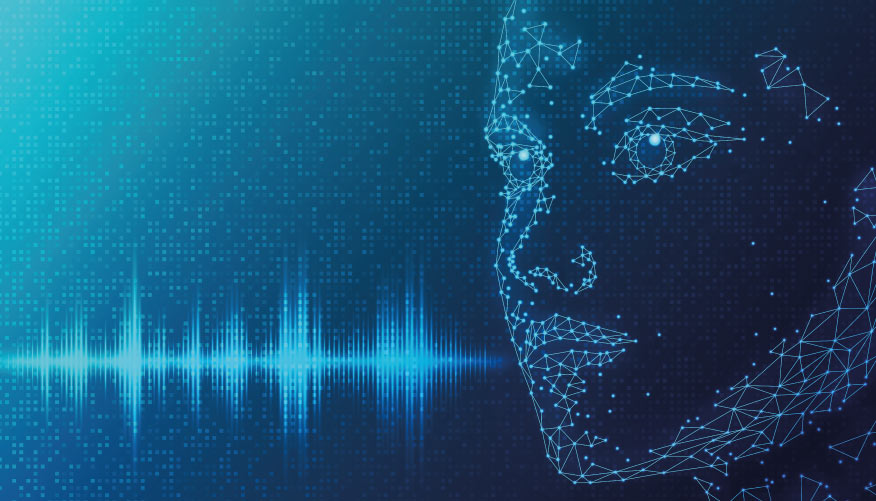

Monitor transactions in real time so you never miss a thing

Multi-layered biometric security that keeps access easy for you, but hard for fraudsters.

Deepfake and synthetic identity detection
Adaptive AI that learns user behaviour and keeps itself up to date

Proactive fraud intelligence and tracking to prevent future attacks

Many traditional identity fraud authentication tools introduce friction, forcing legitimate customers through multiple authentication steps, slowing down genuine transactions and frustrating users.
FARx operates silently in the background, continuously verifying the person’s identity without disrupting the user experience, ensuring legitimate customers can interact without interruption while suspicious activity is flagged instantly.
This allows organisations to:
· Deliver fast, frictionless experiences for real customers
· Reduce false positives in fraud detection systems
· Protect users without adding unnecessary steps
Discover how FARx can strengthen identity assurance across your organisation
Get in Touch